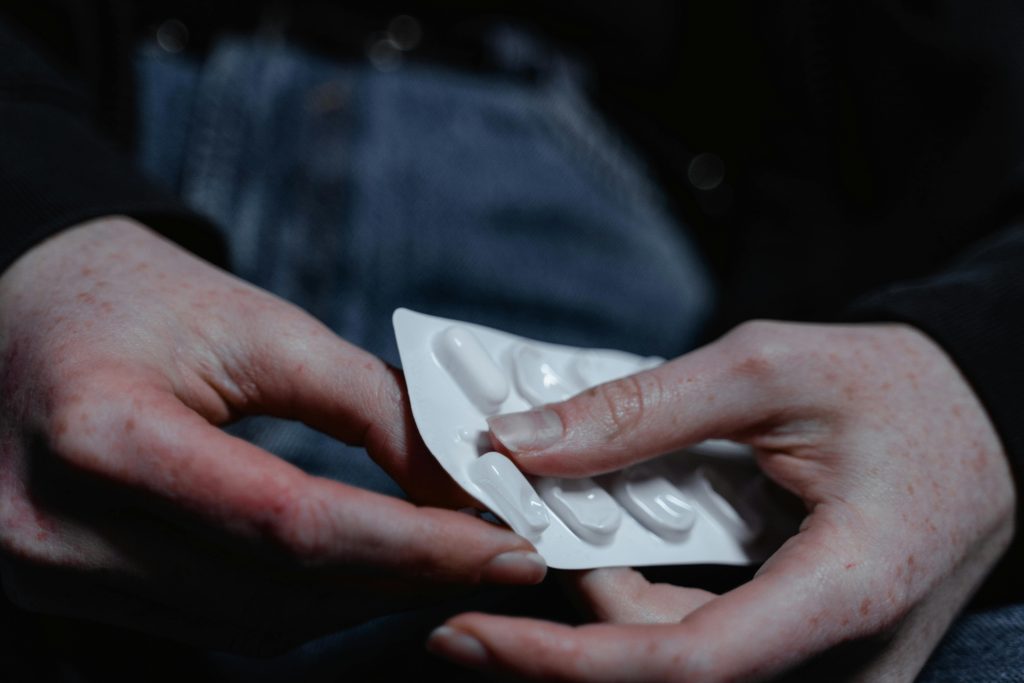
The decision to overcome a substance use disorder is one of the most courageous choices an individual can make. However, the path to sobriety is rarely a matter of sheer willpower alone. For those dealing with physical dependence on alcohol, opioids, prescription medications, or other substances, the initial phase of quitting can feel like an insurmountable mountain. The fear of painful, unpredictable, and potentially hazardous withdrawal symptoms often keeps individuals trapped in a cycle of active use. Choosing a dedicated, professionally supervised medical detox program is the safest, most clinically effective method to clear harmful toxins from your body, manage physical distress, and lay a secure foundation for long-term psychological healing.
Entering detoxification is not merely a clinical formality; it is a vital medical intervention. Addiction fundamentally alters brain chemistry and central nervous system functions. When a substance is abruptly removed, the body experiences a state of profound shock. Attempting to clear these toxins alone—without professional oversight—can lead to severe medical complications and incredibly high relapse rates. A specialized detoxification program removes these dangers, transforming a vulnerable and painful transition into a structured, compassionate, and highly managed period of stabilization.
1. The Science and Safety of Clinical Stabilization
The primary objective of a medical detox program is to ensure patient safety and physical stabilization. When an individual stops using a substance to which their body has built a physical tolerance, they enter withdrawal. Without continuous clinical monitoring, withdrawal can rapidly deteriorate from uncomfortable to life-threatening.
Continuous 24/7 Medical Monitoring
During a professional detoxification program, individuals are placed under the round-the-clock care of a multidisciplinary medical team. Licensed physicians, psychiatrists, and specialized nurses continuously track vital signs—such as blood pressure, heart rate, and temperature—to anticipate and prevent dangerous physical spikes. This constant vigilance ensures that any adverse physical reactions are addressed instantly, minimizing the risks of severe complications like cardiovascular distress, extreme dehydration, and cognitive confusion.
Pharmaceutical Management of Withdrawal Symptoms
One of the most significant advantages of professional detox is the strategic utilization of tapering protocols and comfort medications. Rather than forcing the body to endure the full brunt of chemical depletion, medical professionals can administer FDA-approved medications to ease cravings and alleviate physical pain. For instance, medications may be used to taper individuals safely off opioids or benzodiazepines, while other therapeutic agents help mitigate nausea, intense anxiety, muscle aches, and insomnia. This targeted pharmaceutical support dramatically increases the likelihood of a patient successfully completing the detoxification phase.
2. Navigating Compound Challenges: Substance-Specific Protocols
Different substances interact with the human body in entirely unique ways. As a result, an effective detox program cannot rely on a single, uniform strategy. High-quality facilities design specific, evidence-based protocols tailored precisely to the chemical properties of the substance in question.
Alcohol and Benzodiazepine Withdrawal Risks
Alcohol and benzodiazepines (such as Xanax, Valium, or Klonopin) represent the two categories of substances where withdrawal carries the highest risk of fatal complications. Because both act as central nervous system depressants, stopping them abruptly causes the brain to become severely over-stimulated. This hyper-excitability can manifest as extreme tremors, panic attacks, hallucination, and life-threatening seizures or Delirium Tremens (DTs). A professional detox protocol uses precise medication tapers to calm the central nervous system, carefully stepping the brain down to a baseline of safety without triggering a shock response.
Opioid, Stimulant, and Prescription Drug Protocols
While opioid withdrawal (from substances like heroin, fentanyl, or prescription painkillers) is rarely fatal on its own, it is notorious for producing intense physical agony, extreme cravings, and severe gastrointestinal distress that frequently causes individuals to abandon early sobriety. Medical detox programs utilize specialized medications like buprenorphine or naltrexone to stabilize opioid receptors, neutralizing pain and keeping cravings at bay. Conversely, detoxing from stimulants like cocaine or methamphetamine involves managing profound psychological crashes, sleep disturbances, and acute clinical depression. Specialized care provides the specific psychiatric and medical interventions necessary to balance brain chemistry during this exhausting emotional phase.
3. Healing the Whole Person: Integrating Co-Occurring Mental Health Care
An authentic medical detox program does not treat addiction as an isolated physical ailment. For a vast majority of individuals, substance use disorders are deeply intertwined with underlying psychological conditions. True stabilization requires identifying and addressing these mental health factors from day one.
Dual Diagnosis Identification
When an individual struggles with both a substance use disorder and a mental health condition—such as major depressive disorder, generalized anxiety disorder, bipolar disorder, or post-traumatic stress disorder (PTSD)—it is diagnosed as a co-occurring disorder, or a dual diagnosis. Frequently, individuals use substances to self-medicate the painful symptoms of these untreated psychiatric conditions. During the detox process, as the fog of chemical dependence clears, these underlying mental health symptoms often become prominent. A sophisticated medical detox environment allows psychiatric professionals to evaluate patients in real-time, ensuring that mental health conditions are identified and integrated into the overall treatment strategy.
Seamless Introduction to Psychological Therapy
While the initial few days of detox are heavily focused on physical stabilization, a premium program begins introducing gentle therapeutic support as soon as the patient is physically able. Individuals are introduced to individual counseling, peer support groups, and psychoeducational sessions. This dual approach helps patients connect the dots between their physical dependence and their psychological triggers. By starting therapy within the safe confines of a detox unit, patients begin building the emotional insight and coping mechanisms necessary to sustain their recovery once the physical toxins are gone.
4. The Bridge to Long-Term Rehabilitation and Aftercare
It is vital to recognize that detoxification alone does not constitute a complete cure for addiction. Detox is a critical prerequisite; it cleanses the physical vessel so that the real work of behavioral change can take place. A primary benefit of a professional medical detox program is its ability to seamlessly transition patients into the next phases of care.
Transitioning into Residential or Inpatient Programs
Completing detox means the body is clear, but the behavioral habits and psychological cravings of addiction remain. The period immediately following detoxification represents an incredibly high-risk window for relapse if a patient returns straight to their normal environment. To preserve the progress made during detox, clinical teams work closely with patients to coordinate immediate admission into structured residential or inpatient treatment programs. This ensure there is no gap in care, moving the individual smoothly from medical stabilization into deep, immersive behavioral therapies like Cognitive Behavioral Therapy (CBT) and Dialectical Behavior Therapy (DBT).
Developing a Personalized Continuum of Care Plan
Every recovery journey is unique, requiring varying levels of clinical support based on an individual’s career, family dynamics, and personal history. During a medical detox stay, case managers and primary counselors conduct thorough clinical assessments to outline a long-term continuum of care. For some, this looks like a 30-day residential stay followed by an Intensive Outpatient Program (IOP). For others, it might involve specialized trauma-informed tracks, first responder programs, or immediate integration into structured family counseling and lifetime aftercare networks. This intentional planning ensures that when a patient walks out the door, they have a clear, actionable map for their future sobriety.
Conclusion: Reclaim Your Future Starting Today
The physical and psychological toll of active addiction can make the prospect of recovery seem terrifying and out of reach. Yet, the overwhelming fear of withdrawal does not have to keep you or your loved one trapped in a destructive cycle. A professional medical detox program removes the guesswork, the pain, and the danger from early sobriety, replacing them with compassionate medical expertise, clinical safety, and a structured path forward.
About the Author