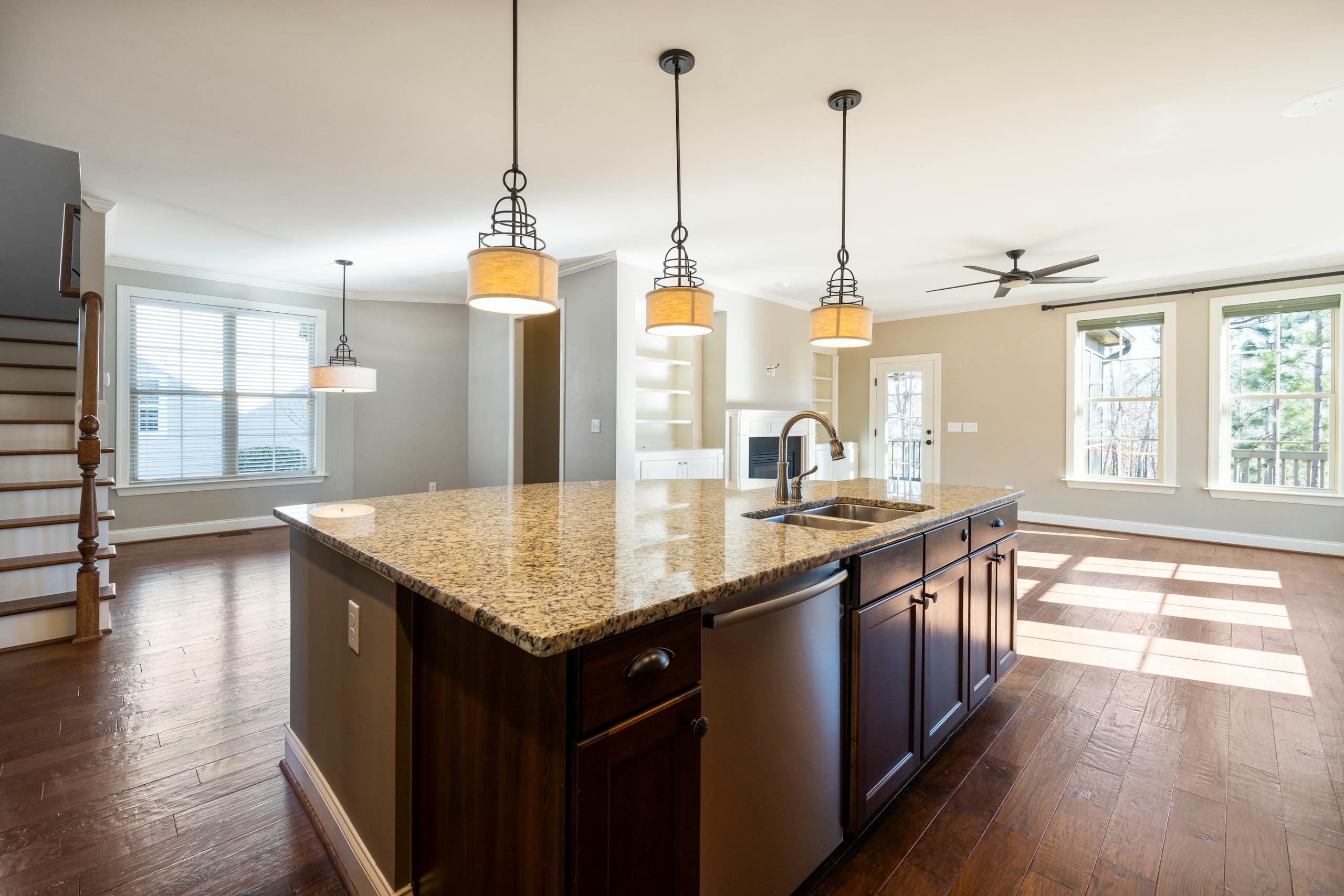
Renovation planning is exciting. You start with inspiration boards and contractor quotes and paint swatches, and before long you have redesigned three rooms in your head. Then the project begins, and somewhere around week four you discover the attic insulation is from 1987 and the electrical panel cannot support the kitchen appliances you just ordered. The areas that get forgotten in renovation planning are not obscure. They are just the ones that are not photogenic. Here is what tends to fall off the list.
The Attic
Attics are the most consistently ignored space in a home renovation. Most homeowners think about the attic only when there is a leak or an animal inside it. But inadequate attic insulation is one of the leading causes of high energy bills, ice dams in cold climates, and uncomfortable upstairs rooms in summer. Before you renovate a bedroom or install a new HVAC system, have the attic evaluated. Adding insulation there may do more for year-round comfort than anything else on your list.
Also check attic ventilation. Trapped heat and moisture in a poorly ventilated attic accelerates roof deck deterioration and creates conditions for mold growth. The damage is not visible from inside the house until it has become significant.
Crawl Spaces and Basements
Moisture is the enemy of every home, and it almost always enters from below. If your home has a crawl space, inspect it before any renovation begins. Damp crawl spaces encourage mold, rot the floor joists above, and create ideal conditions for pests. Encapsulating the crawl space by sealing it with a vapor barrier and conditioning the air is an unglamorous project that protects everything built on top of it.
Basements that take on even small amounts of water during heavy rain should have that addressed before finishing the space. Waterproofing a finished basement is exponentially more expensive and disruptive than waterproofing an unfinished one.
Exterior Entry Points and Gate Systems
Driveways, walkways, and property entry systems are the face of your home’s exterior but rarely make it onto a renovation scope of work. If your property has an automated driveway gate, renovation time is the ideal moment to have it serviced or upgraded. It is already a period of contractors coming and going, which often means the gate sees unusual wear. Getting a professional assessment of the gate’s condition, including the motor, sensors, and control panel, is straightforward and inexpensive relative to the cost of replacing a system that failed because maintenance was deferred. A quick call to a specialist in electric gate repair during your renovation planning stage can prevent an expensive surprise later.
Plumbing Behind Walls
If your renovation involves opening walls anywhere near plumbing, take the opportunity to look at the condition of the pipes while you have access. Older homes may have galvanized steel pipes that are corroded from the inside, reducing water pressure and eventually failing. Polybutylene pipes, installed widely in the 1980s and 1990s, are known to fail without warning and have been the subject of class-action litigation. If your renovation opens a wall and reveals either of these pipe types, replacing them at that point is dramatically cheaper than doing it later.
The Electrical Panel
Kitchen and bathroom renovations routinely fail inspection because the electrical panel cannot support the new load requirements. Modern kitchens, with high-draw appliances, island outlets, and under-cabinet lighting, often require dedicated circuits that an aging 100-amp panel simply cannot accommodate. Upgrading to a 200-amp service is disruptive and costs money, but doing it as part of a planned renovation is far less painful than doing it as an emergency after the new kitchen is already finished.
Windows and Door Frames
New windows are a popular renovation investment, and for good reason. Modern double or triple-pane windows dramatically reduce energy transfer. But new windows installed into rotted or water-damaged frames are money wasted. Always inspect the frame condition before window replacement. The same applies to exterior door frames, which are frequent entry points for moisture, pests, and cold air infiltration.
Gutters and Downspouts
Gutters direct water away from your foundation. When they are clogged, damaged, or improperly pitched, water cascades down the side of your house and pools at the base, exactly where you do not want it. Renovation projects that involve roofing or siding should always include a gutter evaluation. This is also a good time to consider gutter guards if you have significant tree coverage nearby.
Drainage and Grading
The ground around your foundation should slope away from the house, with a minimum 6-inch drop over the first 10 feet. Many homes, over years of settling and landscaping changes, develop negative grade toward the foundation. If you are doing any exterior work, take the opportunity to address grading issues. It is the kind of fix that never appears in renovation photos but prevents the kind of damage that absolutely does.
A Final Thought
The most successful renovations are the ones that balance visible improvements with structural and systems improvements. The kitchen that photographs beautifully while sitting above a rotting crawl space is a liability in disguise. Build your renovation scope with both in mind: what you want the home to look like and what you need it to do for the next 20 years.
About the Author