The journey to sobriety is a transformative experience, yet for many, the initial hurdle—the physical separation from a substance—is the most daunting. Addiction is a relentless disease that fundamentally alters the brain’s chemistry, forcing the body to rely on chemicals just to feel “normal.” When you decide to stop, your body enters a state of shock, leading to the difficult and sometimes dangerous period known as withdrawal. If you are ready to reclaim your future, finding a professional drug detox program is the most critical and life-saving decision you can make. By choosing a clinically supervised environment, you ensure that this physical transition is handled with the medical expertise, safety protocols, and compassionate care necessary to set the foundation for long-term recovery.
As industry experts in addiction medicine, we understand that fear of the unknown often keeps individuals trapped in the cycle of substance use. In this comprehensive guide, we will explore the science behind medical detoxification, the risks associated with unmanaged withdrawal, and how a professional facility guides you from physical stabilization toward emotional healing.
1. Why Professional Drug Detox is Non-Negotiable for Safety
A common misconception is that addiction can be overcome through sheer willpower or by “sweating it out” at home. However, withdrawal is not merely a test of character; it is a physiological crisis that requires clinical intervention.
The Dangers of “Cold Turkey” and Home Detox
Attempting to detox independently, often referred to as going “cold turkey,” can be incredibly dangerous and, in some cases, fatal. For substances like benzodiazepines or alcohol, sudden cessation can trigger grand mal seizures, severe dehydration, and hallucinations. Even with substances that are not typically life-threatening in withdrawal, such as certain opioids, the physical agony is so intense that it almost inevitably leads to an immediate relapse as the individual desperately seeks relief. Professional detox eliminates this high-risk environment, replacing isolation with 24/7 medical monitoring.
The Role of 24/7 Clinical Supervision
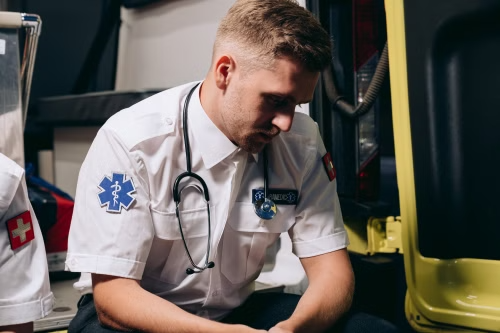
In a professional drug detox setting, you are never alone. A team of board-certified physicians and specialized nurses monitors your vital signs—including heart rate, blood pressure, and temperature—around the clock. This level of supervision allows medical staff to intervene at the first sign of a complication, ensuring that your body stabilizes safely. This clinical safety net transforms a period of extreme vulnerability into a manageable and dignified medical process.
2. The Medical Detox Process: What to Expect During Stabilization
The goal of a medical detox is to manage withdrawal symptoms effectively so that the patient can transition comfortably into the next phase of treatment. This process is highly structured and personalized.
Comprehensive Evaluation and Intake
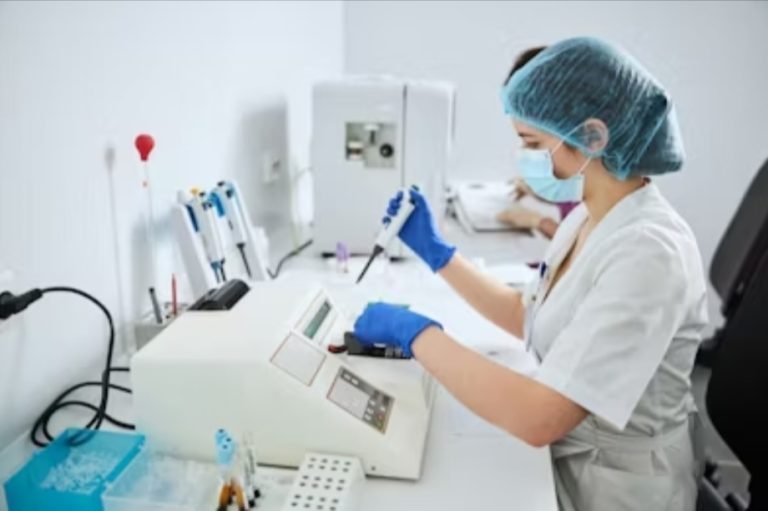
Every recovery journey begins with a detailed assessment. Because no two addictions are the same, clinicians conduct thorough biopsychosocial evaluations to understand your substance use history, physical health, and any co-occurring mental health conditions. This data is used to create a bespoke detox protocol that addresses your specific biological needs, ensuring that the tapering process is as smooth as possible.
Managing Withdrawal with Evidence-Based Care
Once the substance is no longer being consumed, the body begins its “cleansing” phase. During this time, medical staff utilize various interventions to mitigate distress:
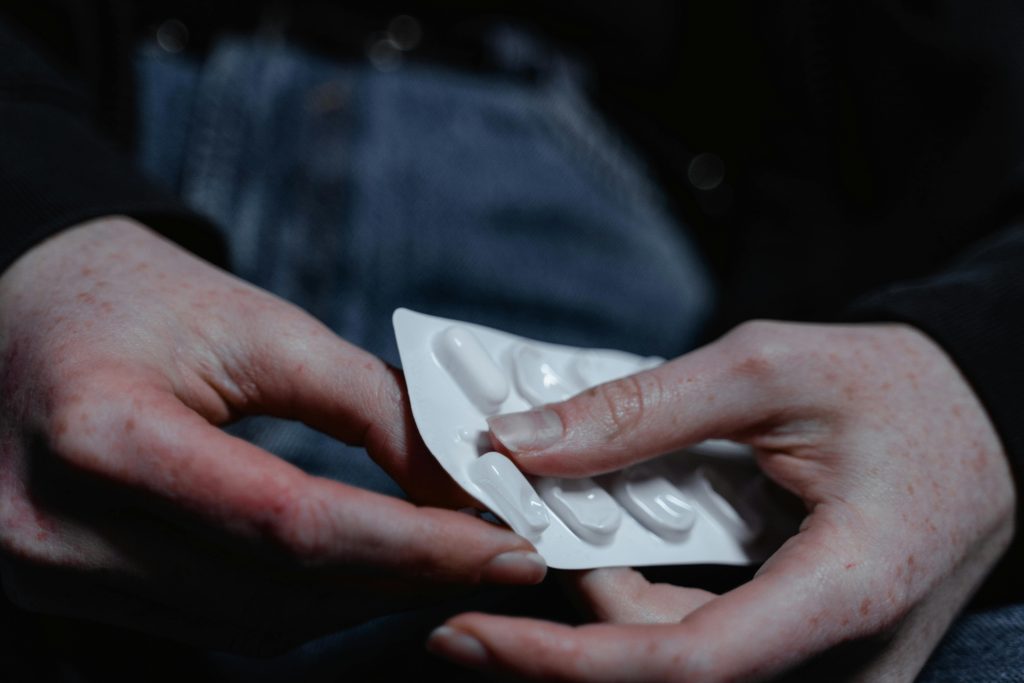
- Medication-Assisted Treatment (MAT): FDA-approved medications (such as buprenorphine or lofexidine for opioids) are used to block cravings and ease physical pain.
- Symptom Management: Non-addictive medications are provided to treat specific side effects like insomnia, anxiety, nausea, and muscle aches.
- Nutritional Support: High-quality detox programs focus on rehydrating the body and replenishing essential vitamins and minerals that were depleted during active addiction.
3. Addressing the Psychological Toll of Early Sobriety
While detox is primarily a physical process, the mind undergoes its own form of withdrawal. As the “numbing” effect of the drug wears off, raw emotions and psychological triggers often surface with intense clarity.
Psychiatric Support and Dual Diagnosis
Many individuals struggling with addiction are also dealing with undiagnosed mental health issues like PTSD, depression, or generalized anxiety. A premier drug detox facility identifies these co-occurring disorders (Dual Diagnosis) early on. By providing psychiatric support during the detox phase, clinicians can stabilize a patient’s mental health, preventing the emotional “crash” that often leads to early-stage relapse.
The Introduction of Therapeutic Support
While the body is still healing, many facilities introduce low-impact therapeutic activities. Gentle individual counseling or peer support groups can help patients begin to process the reality of their situation in a safe environment. This early emotional work helps bridge the gap between the physical reset of detox and the deep psychological work of residential rehabilitation.
4. The Bridge to Long-Term Recovery: Beyond Detox
It is vital to understand that detox is not a “cure” for addiction; it is the physical preparation for recovery. If a patient leaves treatment immediately after the toxins have cleared their system, they remain highly susceptible to the behavioral patterns that caused the addiction in the first place.
The Importance of Residential Treatment
Once the body is physically stable, the real work of recovery begins. Transitioning seamlessly from detox to a residential treatment program allows the brain time to heal. In a residential setting, you engage in intensive therapies like Cognitive Behavioral Therapy (CBT) and Dialectical Behavior Therapy (DBT). These modalities help you uncover the root causes of your substance use and develop a toolkit of healthy coping mechanisms for life’s stressors.
Relapse Prevention and Aftercare Planning
A successful detox program prioritizes your future. Before you finish your stay, you will work with counselors to develop a robust aftercare plan. This includes identifying your personal triggers, finding local support groups, and establishing a connection with alumni networks. By viewing detox as the first chapter of a longer story, you ensure that the physical freedom you’ve gained becomes a permanent way of life.
Conclusion
Overcoming addiction is a formidable challenge, but the physical pain of withdrawal does not have to be an insurmountable barrier. Through professional drug detox, you can navigate the first few days of sobriety with safety, comfort, and dignity. By choosing a facility that offers 24/7 medical supervision and a seamless transition into therapeutic care, you are not just clearing your body—you are clearing a path toward a vibrant, substance-free future.
Your life is far too valuable to be lost to the cycle of dependency. Healing is possible, and it begins with a safe, medically managed start.
About the Author