In the rapidly evolving landscape of digital creativity, technologies that once seemed futuristic are now accessible to everyday users. Among them, the AI kissing video generator free and advanced visual content tools are capturing the imagination of creators, artists, marketers, and hobbyists alike. At the same time, innovations such as the AI music video generator are redefining how we visualize sound and music. These platforms provide individuals with unprecedented creative power but also raise important questions about ethics, authenticity, and digital responsibility.
This article explores the current state of AI video generation technology, practical uses, ethical considerations, and insight into why these tools are shaping the future of content creation.
What Are AI Video Generators?
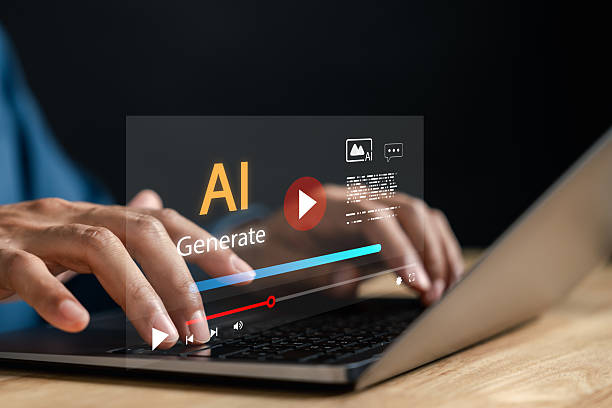
AI video generators are software tools powered by deep learning models that can create moving visuals based on user input — text, image, or audio. These tools democratize the video production process, allowing users with no background in filmmaking, animation, or editing to generate compelling videos in minutes.
At their core, these systems rely on generative models — often trained on large datasets — to interpret prompts and output sequences of frames that form a video. The results range from stylized animations and artistic compositions to more literal visual narratives.
Why People Are Talking About an “AI Kissing Video Generator Free”
The term AI kissing video generator free refers to AI-powered platforms that allow users to create brief video clips depicting characters or avatars in a romantic gesture. Often, these tools are marketed toward creators looking to visualize story moments, fan art, or character interactions without needing professional video skills.
While the term may evoke romance, its broader significance lies in the growing accessibility of AI tools:
- Free access lowers barriers: Beginners and casual creators can experiment without subscription fees.
- Creative exploration: Users can prototype scenes for novels, comics, or educational presentations.
- Customizable characters: Many platforms allow input of character images or styles, making the output more personal.
However, unlike professional animation software that requires steep learning curves, these AI video generators work by interpreting descriptive prompts — a significant shift in how visual content can be created.
Transforming Music into Visual Stories: The AI Music Video Generator
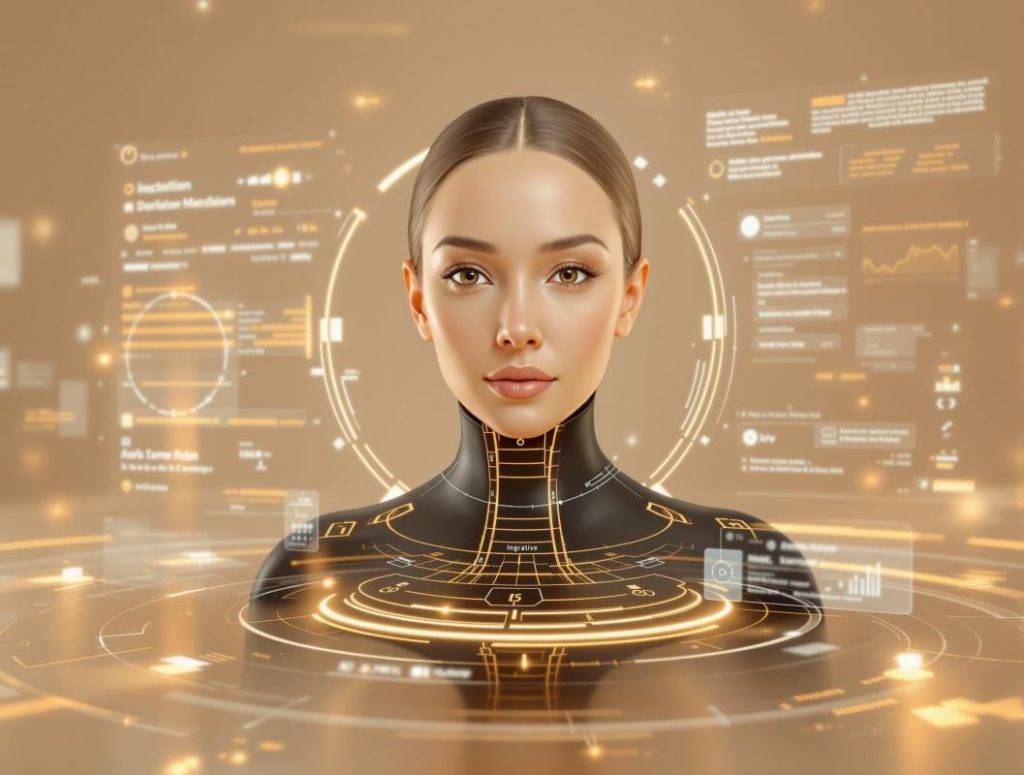
Another exciting frontier is the AI music video generator, which turns songs or audio clips into synchronized visual experiences. Traditionally, music video production involved planning, filming, editing, and post-production labor. AI simplifies this by generating footage that mirrors the rhythm, mood, and themes of a track.
Here’s what makes AI music video generation compelling:
- Audio-to-visual translation: The AI analyzes sound features — tempo, pitch, beats — and maps them to visual motifs.
- Visual style options: Users can choose from animated styles, abstract patterns, or narrative scenes.
- Rapid iteration: What used to take hours or weeks can now be produced in minutes.
This innovation isn’t limited to professional artists. Hobby musicians, dancers, and educators can create visuals that accompany audio for presentations, social media, or personal projects.
Practical Applications Across Fields
AI video generation technology isn’t just a novelty — it’s being used across sectors:
1. Marketing and Advertising
Brands are experimenting with AI-generated visuals to craft engaging ads and social posts. The ability to produce varied content quickly keeps campaigns fresh and dynamic.
2. Education and Training
Teachers and e-learning developers use AI video tools to illustrate concepts — from historical reconstructions to scientific simulations — making lessons more immersive.
3. Entertainment and Storytelling
Indie creators, writers, and game developers use AI video clips to storyboard stories or enhance user engagement. AI visuals help bring ideas to life before heavy production investment.
4. Social Media Content Creation
Short-form content thrives visually. AI generators help influencers and users produce eye-catching video content to sustain engagement.
How AI Video Generators Work
Understanding the mechanics helps users make smarter choices and set realistic expectations.
Input Prompt
Users begin by typing descriptive text or uploading reference images/videos. The prompt guides the AI in what kind of scene to generate — for example, “two animated characters sharing a friendly gesture in a sunset park.”
Model Interpretation
The AI parses the input using large neural networks trained on vast datasets of images and footage. It predicts visual elements and sequences that match the prompt, balancing consistency with creative interpretation.
Rendering Output
Finally, the system produces frames and stitches them together into a video. Some tools let users tweak style, pacing, and visual effects before finalizing.
Because these systems are still learning, the results might not match professional film quality, but they are improving rapidly with each model iteration.
Ethical and Legal Considerations
While AI video tools open doors for creativity, they also bring important concerns:
1. Deepfakes and Misuse
The ability to generate realistic videos with minimal skill raises red flags about misuse — for misinformation, defamation, or unauthorized depictions of people.
Responsible platforms implement safeguards, but creators must stay vigilant about how they use generated content.
2. Copyright and Source Material
Many AI tools are trained on large datasets collected from the internet. Questions around ownership, licensing, and fair use remain unresolved in many jurisdictions.
Users should avoid uploading copyrighted material without rights and be mindful of output distribution.
3. Consent and Respect
When generating scenes that involve representations of people — even fictional ones — it’s vital to respect consent and avoid content that could be harmful, exploitative, or degrading.
Best Practices for Using AI Video Generators
To use these tools effectively and ethically:
Be Clear and Specific in Prompts
Vague instructions lead to unpredictable output. Detailed prompts help the AI produce results closer to your intent.
Review and Edit Outputs
AI tools are creative helpers, not replacements for human judgment. Always review generated material and edit where needed to ensure quality and appropriateness.
Respect Privacy
Avoid using images of real people without permission. When experimenting with character generation, use original or public-domain references.
Understand Platform Policies
Each AI service has terms of use around content, data privacy, and ownership. Familiarize yourself with them before publishing or monetizing AI-generated videos.
Read more: Glarklyhub
The Impact on Content Creation and Jobs
There’s debate around whether AI will replace creative professionals. The reality is more nuanced:
- AI accelerates ideation: It helps creators explore concepts faster.
- Human judgment still matters: Narrative coherence, emotional depth, and contextual relevance are areas where humans excel.
- New roles emerge: As technology evolves, roles in AI prompt engineering, ethical oversight, and multimedia design are becoming increasingly valuable.
Rather than replacing artists, AI tools are more likely to act as collaborators — tools that extend creative capacity.
Looking Ahead: Trends in Video AI
Several trends are shaping the future of AI video:
Real-Time Video Generation
Soon, live AI visuals may accompany concerts, livestreams, or virtual events, responding dynamically to sound and audience interaction.
Personalized Visual Stories
Platforms could generate custom videos based on user preferences, mood, or shared memories — blending storytelling with personalization.
Interactivity and Immersion
Combining AI video with AR/VR environments could make immersive stories where viewers steer narrative outcomes.
The importance of responsible innovation will grow alongside these technologies.
Conclusion
AI video generation tools such as the AI kissing video generator free and the AI music video generator represent a leap forward in digital creativity. While they make complex tasks accessible to beginners, they also prompt deeper reflection on ethical use, copyright, and digital literacy.
As these technologies integrate into everyday creative workflows, the key for individuals and organizations is to harness them responsibly — maximizing their power for imaginative expression while safeguarding against misuse.
In a world where visuals communicate faster than ever, AI video generators are not just tools — they are collaborators in storytelling, inspiration, and innovation.