Introduction Riverbank Collapse Iford Playing Fields
The problem of riverbank erosion Iford Playing Fields has become an expanding problem to the local population, visitors, and environmental bodies. As the erosion rates rise, and the land stops being stable, there are grave dangers of the area that should be comprehended and addressed prior to its long-term damage.
This is not a minor issue as more individuals get to know about the developments occurring around the river. The riverbank collapse Iford Playing Fields incident is influencing the local safety choices, environment planning, as well as recreation in the area. This paper reveals the motivations, dangers, remedies, and measures individuals can undertake to remain safe.
What Is Going on at Iford Playing Fields.
The erosion of the riverbank is not a new phenomenon as it has been occurring over the years, however, the current indications suggest that the rate of land loss is accelerating. The appearance of cracks on the ground, leaning trees, and unstable soil have brought new concerns that are going to define the future of this much liked community space. Those who walk, sport or play on the open space have seen that the edge of the water has clearly changed.
Read More Like: Cjmonsoon Guide
Professionals confirm that the conditions of riverbank collapse Iford Playing Fields are a combination of natural forces together with human intercourse. The soil becomes waterlogged and when the rivers rise up, the ground becomes loose and starts moving. The large portions of the land may break and collide in the river without being supported.
Reasons Riverbank Collapse Iford Playing Fields.
Riverbank Collapse Iford Playing Fields The powerful constant flow of the river is among the key causes of the erosion. The water circulating is fast and cuts across the soil on the edges of the playing fields causing bits to be washed away in time. With the disappearance of additional soil, the bank turns slanting and unsteady and the probability of a sudden fall in case of heavy rain or flooding is more likely.
The riverbank collapse conditions are also caused by human activity Iford Playing Fields. Pedestrian traffic, biking and recreation undermine natural vegetation, which normally provides the soil with stability. Damage or harvesting of plants exposes the soil which is susceptible to erosion.
Riverbank Collapse Environment, Iford Playing Fields.
The wildlife habitats in the area are impacted adversely by the fall. The vegetation, insects, and tiny aquatic organisms are deprived of their natural habitats when the soil is swept into the river by landslides. This breaks the ecosystem balance and increases the quality of water flowing in the region.
The destruction of the landscape on a long-term basis is also another significant issue.Riverbank failure The problems at Riverbank collapse Iford Playing Fields would alter the course of the river leading to further erosion of the riverbed up and down. In case the bank keeps disintegrating, more green areas might be lost permanently and people would have limited access to them and this would be detrimental to the beauty of the site.
Safety Concerns of the Community near Collapse Zone.
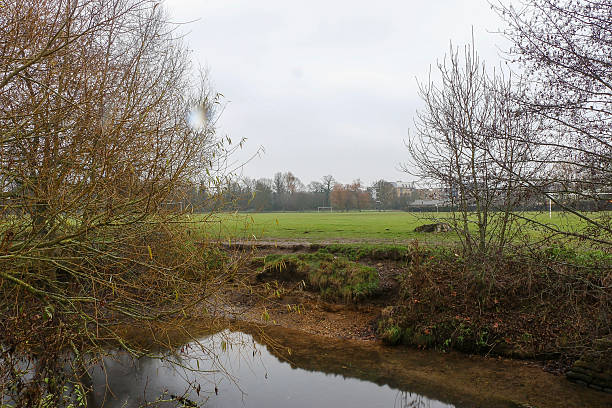
The threat to the safety of people increases with the erosion of the riverbank. Human persons who are walking near the edge might not know how the soil is unstable. Minor change in weight might lead to ground under them to collapse. Children, pets and cyclists are particularly in danger when the bank looks safe but is not really safe.
The effects on the community events and sports activities have been raised. The issue of collapse of the riverbank Iford Playing Fields may cause the closure of some areas thereby restricting the recreational space. In case the damage persists, there is a possibility that some fields would not be used during the season.
What Authorities are Doing in Response to Riverbank Collapse Iford Playing Fields.
The riverbank is under observation by local authorities to avoid the sudden emergencies. There are already temporary fences, due warning signs and guarded areas around the places of danger to keep out the visitors. These measures will mitigate accidents and allow the engineers time to evaluate their next moves.
Experts have also been analyzing the soil structure, flow of waters and environment factors to develop a long term plan. Their primary aim at the location is to minimize the impacts of the collapse of the riverbank Iford Playing Fields erosion and ensure that the plain populations are not damaged further.
Prevention Techniques of Continuous Riverbank Stability.
There are a number of natural methods of prevention of erosion. Planting of deep-rooted vegetation along the riverbank is one of the strategies. These vegetation keep the soil together and absorb additional water, which makes the bank more stable. Wildlife habitats can also be restored through reintroducing native plants.
Riverbank Collapse Iford Playing Fields Considerations are also being done in engineering techniques. These can be wooden barriers, rock placement and buildings with reinforced soil. These remedies would mitigate the impact of the river on the land and reduce the chances of the riverbank collapsing in future with the problems with the riverbank like the one in Iford Playing Fields.
Plans to address the short-term issues of the Iford Playing Fields Area.
Environmental and structural support is needed in the long-term protection. Water pressure of the soil can be reduced by enhancing drainage around the playing fields. Improved walkways, fencing, and access controls can also be used to ensure that the heavy foot traffic does not cause damage.
Community involvement is another strategy that can work. The locals and volunteers can collaborate in enhancing the growth of vegetation, reporting any initial signs of erosion and raise awareness. Riverbank collapse Long-term solutions to riverbank collapse Iford Playing Fields rely on official planning and others.
How the Residents Can Keep Safety and Information.
Riverbank Collapse Iford Playing Fields, Posted warning signs should be adhered to and residents should not stand close to unstable edges. By using local community pages and safety announcements, parents are advised to keep children away to dangerous spots and up to date. One of the best preventive measures against accidents in the erosion affected areas is awareness.
Individuals also have the responsibility of keeping off restricted zones and unnecessary pressures on loose soil. New cracks, leaning trees, or unexpected changes can also be reported to help the authorities in preventing the hazards associated with riverbank collapse Iford Playing Fields.